What to Do After a Car Accident: Step-by-Step
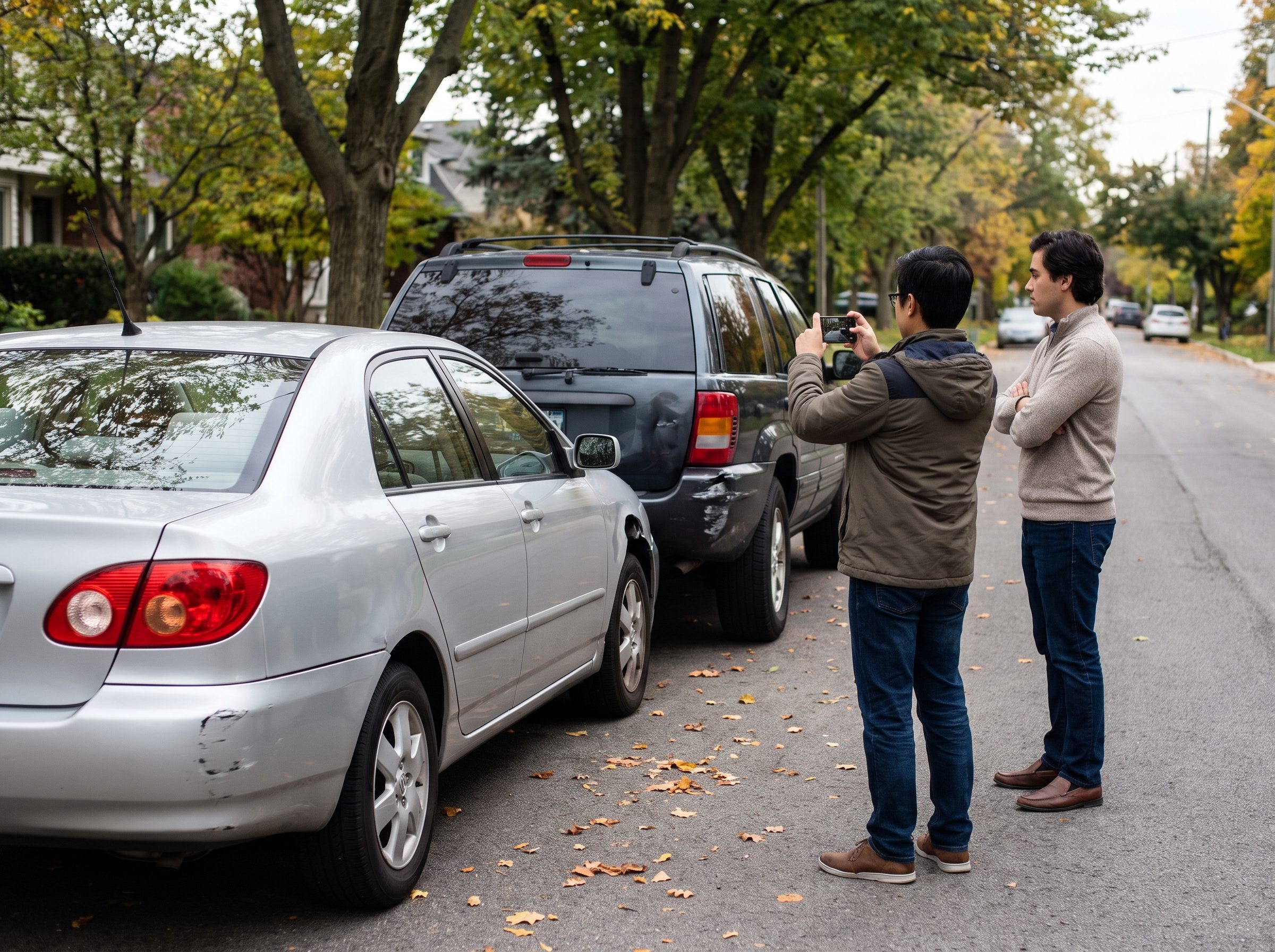
A car accident is stressful, confusing, and sometimes scary. In those first few minutes, it's hard to think clearly. That's why having a plan matters, knowing what to do ahead of time can protect your safety, your rights, and your insurance claim.
Immediately After the Accident
1. Stop your vehicle. Leaving the scene of an accident is illegal, even for minor fender-benders. Pull over to a safe location if possible.
2. Check for injuries. Check yourself, your passengers, and anyone else involved. If anyone is injured, call 911 immediately. Don't move injured people unless there's an immediate danger (like fire).
3. Move to safety. If the accident is minor and the vehicles are drivable, move to the shoulder or a parking lot to avoid blocking traffic and reducing the risk of additional collisions.
4. Turn on hazard lights. Alert other drivers to the accident scene.
At the Scene
5. Call the police. Even for minor accidents, a police report creates an official record that helps with insurance claims. In many states, you're required to report accidents that involve injuries or damage above a certain threshold.
6. Exchange information. Get the following from all drivers involved:
- Full name and contact information
- Insurance company and policy number
- Driver's license number
- License plate number
- Vehicle make, model, and color
7. Document everything. Use your phone to:
- Take photos of all vehicles from multiple angles
- Photograph the accident scene (road conditions, traffic signs, skid marks)
- Capture close-ups of damage
- Take photos of the other driver's license, insurance card, and license plate
8. Talk to witnesses. If anyone saw the accident, get their name and contact information. Witness statements can be crucial for disputed claims.
What NOT to Do
- Don't admit fault. Even if you think you caused the accident, don't say "I'm sorry" or "it was my fault." Fault is determined by investigators and insurance companies, and your initial impression may be wrong.
- Don't argue. Stay calm and stick to exchanging information. If the other driver is aggressive, wait in your car for police.
- Don't sign anything at the scene except the police report.
- Don't skip the doctor. Some injuries don't show symptoms immediately. Whiplash, concussions, and soft tissue injuries can take hours or days to appear.
After Leaving the Scene
9. Contact your insurance company. Report the accident as soon as possible, ideally within 24 hours. Provide facts without speculating about fault.
10. See a doctor. Even if you feel fine, get checked out. Medical documentation protects both your health and your claim.
11. Keep records. Save all accident-related documents: police report, medical bills, repair estimates, rental car receipts, correspondence with insurance companies.
12. Follow up on your claim. Stay in contact with your insurance adjuster. Respond promptly to requests for information.
Understanding Your Coverage
The time to understand your car insurance is before an accident, not after. Knowing what your policy covers, and what it doesn't, helps you make better decisions at every step of the claims process.